Keeping your vehicle in peak condition isn’t just about avoiding breakdowns—it’s about ensuring safety, maximizing performance, and protecting your investment. A well-maintained vehicle runs more efficiently, lasts longer, and retains its value over time. While many drivers wait until something goes wrong, the most cost-effective approach is preventative care. By staying proactive and attentive, you can catch small issues before they become major repairs.
This guide breaks down practical, easy-to-follow strategies that will help you take control of your vehicle’s health. Whether you’re a daily commuter or an occasional driver, these tips will help you build habits that keep your car running smoothly for years to come.
1. Build a Consistent Maintenance Schedule That Actually Works
Creating and sticking to a maintenance schedule is one of the most effective ways to keep your vehicle reliable. Many drivers rely on memory or wait for dashboard warnings, but a structured plan ensures nothing gets overlooked.
Working with providers that offer auto maintenance services can help you stay organized. They often provide maintenance timelines tailored to your vehicle’s make and model. Pairing this with a trusted local auto repair provider ensures you always have professional guidance when needed.
To build an effective schedule:
- Follow your owner’s manual: It outlines manufacturer-recommended service intervals for oil changes, inspections, and replacements.
- Break tasks into intervals:
- Monthly: Check tire pressure, lights, and fluid levels
- Every 3–6 months: Oil changes and tire rotations
- Annually: Comprehensive inspections and fluid flushes
- Use digital reminders: Apps or calendar alerts help you stay consistent
- Track service history: Keep records of all maintenance and repairs
Consistency is key. Even small tasks, when done regularly, can prevent major mechanical issues.
2. Monitor Fluid Levels and Replace Them Before Problems Start
Fluids are the lifeblood of your vehicle. Neglecting them can lead to overheating, corrosion, and even complete engine failure. Regular checks can save you from costly repairs down the road.
If you’re unsure about fluid condition or replacement intervals, visiting an auto repair shop can provide clarity and ensure everything is properly maintained.
Key fluids to monitor include:
- Engine oil: Keeps engine components lubricated and reduces wear
- Coolant: Prevents overheating and regulates engine temperature
- Transmission fluid: Ensures smooth gear shifts
- Brake fluid: Maintains proper braking performance
- Power steering fluid: Supports easy handling
Watch for these warning signs:
- Dark or dirty fluid color
- Burning smells
- Leaks under the vehicle
- Unusual noises or performance issues
Helpful habits:
- Check fluids at least once a month
- Top off when levels are low
- Follow recommended flush intervals
Staying on top of fluid maintenance ensures your vehicle runs efficiently and avoids unnecessary strain on critical systems.
3. Keep Your Tires Road-Ready for Safety and Efficiency
Your tires are the only parts of your vehicle that touch the road, making their condition critical to safety and performance. Neglecting tire care can lead to poor handling, reduced fuel efficiency, and increased risk of accidents.
Regular visits to a tire shop can help ensure your tires are properly maintained and replaced when necessary. Proper alignment also plays a major role in extending tire life and improving overall driving comfort.
Actionable tire care tips:
- Check tire pressure weekly: Underinflated tires reduce fuel efficiency and wear unevenly
- Inspect tread depth: Use the penny test or a tread gauge
- Rotate tires regularly: Every 5,000 to 7,500 miles
- Watch for uneven wear: This may indicate alignment issues
- Balance tires when needed: Prevents vibrations and uneven wear
Benefits of proper tire care:
- Improved fuel economy
- Better traction and braking
- Longer tire lifespan
- Smoother ride quality
Maintaining your tires is one of the simplest ways to enhance both safety and performance.
4. Stay Ahead of Brake Wear Before It Becomes Dangerous
Your braking system is essential for safety, and even minor issues can quickly escalate into serious risks. Addressing problems early ensures reliable stopping power and prevents costly repairs.
Brake repair should never be delayed. Recognizing early warning signs can help you take action before damage worsens.
Common signs of brake issues:
- Squealing or grinding noises
- Vibrations when braking
- Increased stopping distance
- Soft or spongy brake pedal
Preventative steps:
- Inspect brake pads every 10,000–15,000 miles
- Replace pads before they wear down completely
- Check rotors for warping or damage
- Flush brake fluid as recommended
Ignoring brake problems can compromise your safety and lead to more expensive repairs. Staying proactive ensures your vehicle remains dependable in critical moments.
5. Protect Your Vehicle’s Exterior From Damage and Wear
Your vehicle’s exterior is constantly exposed to harsh elements, including sun, rain, dirt, and road debris. Protecting it not only keeps your car looking great but also prevents long-term damage like rust and corrosion.
An auto body shop can help address cosmetic damage and restore your vehicle’s appearance after minor accidents or wear.
Practical ways to protect your exterior:
- Wash your car regularly: It removes dirt and contaminants that can damage paint
- Apply wax or sealant: Adds a protective layer against UV rays and moisture
- Park in shaded or covered areas: Reduces sun damage
- Fix chips and scratches quickly: Prevents rust from forming
When to seek professional help:
- Dents from minor collisions
- Deep scratches exposing metal
- Paint fading or peeling
Taking care of your vehicle’s exterior preserves its value and keeps it looking its best.
6. Maintain Clear Visibility and Address Glass Damage Promptly
Clear visibility is essential for safe driving. Even small chips or cracks in your windshield can worsen over time, especially with temperature changes and road vibrations.
Windshield replacement services become necessary when damage compromises structural integrity or obstructs your view.
Tips for maintaining your vehicle’s glass:
- Inspect for chips or cracks regularly
- Replace worn windshield wipers
- Keep glass clean inside and out
- Avoid sudden temperature changes on damaged glass
When to repair vs. replace:
- Repair: Small chips or minor cracks
- Replace: Large cracks or damage in the driver’s line of sight
Prompt attention to glass damage ensures your safety and prevents further complications.
7. Pay Attention to Engine Performance and Unusual Sounds
Your engine provides early warning signs when something isn’t right. Ignoring unusual noises or performance changes can lead to serious damage over time.
If you drive a specialized or luxury vehicle, consulting an Audi mechanic or another brand-specific expert ensures your engine receives the proper care.
Signs to watch for:
- Knocking or tapping sounds
- Reduced acceleration or power
- Rough idling
- Increased fuel consumption
What you can do:
- Address warning lights immediately
- Schedule regular diagnostic checks
- Use high-quality fuel and oil
- Follow manufacturer service recommendations
Early detection and professional evaluation can prevent minor issues from becoming major engine problems.
8. Keep Your Vehicle Clean Inside and Out for Long-Term Value
A clean vehicle isn’t just about appearance—it also contributes to longevity and comfort. Dirt, debris, and spills can cause wear and damage over time.
Working with a local auto detailer can help maintain both the interior and exterior of your vehicle at a professional level.
Interior care tips:
- Vacuum carpets and seats regularly
- Wipe down surfaces to prevent buildup
- Use protectants on dashboards and leather
- Address spills immediately
Benefits of regular detailing:
- Preserves upholstery and materials
- Eliminates odors and allergens
- Enhances driving comfort
- Maintains resale value
Consistent cleaning helps your vehicle stay in excellent condition inside and out. It not only enhances the aesthetic appeal but also extends the lifespan of the materials and finishes. Regular washing removes dirt, grime, and harmful contaminants that can lead to rust and deterioration. Additionally, keeping the interior tidy prevents the buildup of allergens and unpleasant odors, making your driving experience more enjoyable. Consider developing a routine to maintain your vehicle, ensuring it looks and feels great for years to come.
9. Replace Filters and Belts Before They Fail
Small components like filters and belts play a big role in your vehicle’s performance. Neglecting them can lead to reduced efficiency and potential breakdowns. While they may seem minor compared to larger systems, these parts directly impact how well your engine breathes, how clean your fuel system stays, and how smoothly critical components operate together.
Many auto maintenance services include routine checks for these components, ensuring they are replaced before failure occurs. Staying ahead of replacement intervals is important because these parts often wear gradually, meaning performance can decline over time without obvious warning until a failure happens.
Key components to monitor:
- Air filter: A clean air filter allows proper airflow, which is essential for efficient combustion. When clogged, it can restrict airflow, causing the engine to work harder and reducing overall performance.
- Cabin filter: This filter traps dust, pollen, and pollutants before they enter your car’s interior. A dirty cabin filter can reduce airflow from vents and lead to unpleasant odors or increased allergens inside the vehicle.
- Fuel filter: The fuel filter prevents contaminants from reaching the engine. Over time, buildup can restrict fuel flow, leading to hesitation, difficulty starting, or inconsistent acceleration.
- Timing belt: The timing belt coordinates the movement of the crankshaft and camshaft. If it wears out or breaks, it can cause severe engine damage, making timely replacement critical.
Warning signs of wear:
- Reduced engine performance: Sluggish acceleration or lack of power may indicate restricted airflow or fuel delivery.
- Unusual noises: Squealing or ticking sounds can signal a worn or misaligned belt.
- Decreased fuel efficiency: When filters are clogged, the engine must use more fuel to maintain performance.
- Visible cracks or wear on belts: Inspect belts for fraying, cracking, or glazing, which are clear indicators that they need replacement.
Replacing these parts on schedule helps maintain reliability and prevents costly repairs. Taking a proactive approach ensures your engine operates efficiently, reduces strain on other components, and minimizes the risk of unexpected breakdowns.
10. Build a Relationship With a Trusted Automotive Professional
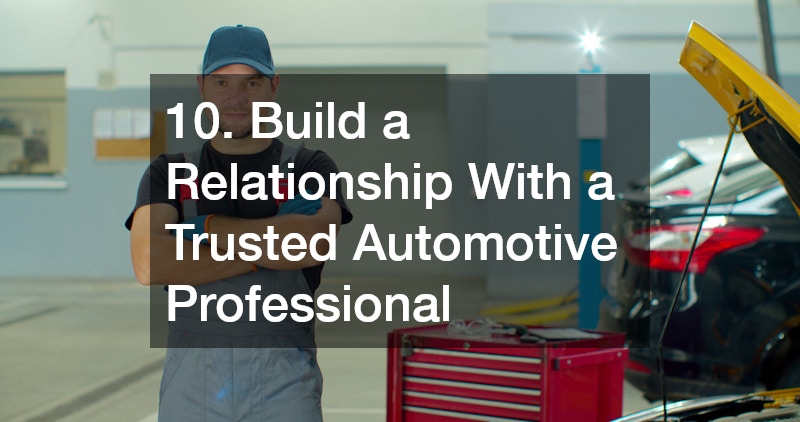
Having a reliable expert to turn to makes vehicle maintenance much easier. A trusted auto repair shop can provide honest advice, accurate diagnostics, and quality service. Instead of guessing what might be wrong or relying on temporary fixes, you gain access to professional insight that helps prevent small issues from turning into major problems.
Choosing a dependable local auto repair provider ensures you receive consistent care and build a relationship over time. When the same technicians regularly work on your vehicle, they become familiar with its history, past repairs, and any recurring concerns. This continuity allows for more personalized service and often leads to quicker, more precise solutions.
How to find the right professional:
- Look for certifications and experience: Technicians with proper certifications and years of hands-on experience are more likely to diagnose issues correctly and perform repairs to a high standard. Don’t hesitate to ask about training or specialties.
- Read reviews and ask for recommendations: Online reviews and word-of-mouth referrals can provide valuable insight into a shop’s reliability, customer service, and consistency. Look for patterns in feedback rather than focusing on a single review.
- Compare estimates and services: Getting multiple estimates helps you understand fair pricing and ensures you’re not overpaying. Pay attention to what’s included in each estimate, not just the final cost.
- Evaluate communication and transparency: A trustworthy shop will clearly explain issues, outline repair options, and provide detailed breakdowns of costs. Avoid businesses that are vague or unwilling to answer questions.
Benefits of a trusted relationship:
- Faster and more accurate diagnostics: Familiarity with your vehicle allows technicians to quickly identify problems and recommend effective solutions.
- Better understanding of your vehicle’s history: Keeping all service records in one place helps prevent unnecessary work and ensures maintenance is performed at the right intervals.
- Increased confidence in repairs: Knowing your vehicle is in capable hands reduces stress and eliminates uncertainty when issues arise.
- Long-term cost savings: Preventive care, accurate repairs, and honest recommendations help you avoid unnecessary expenses over time.
A good mechanic becomes a valuable partner in keeping your vehicle in top condition, offering not just repairs but ongoing guidance that helps you make smarter decisions about your vehicle’s care.
Conclusion
Keeping your vehicle in peak condition requires a combination of consistency, awareness, and smart decision-making. By staying proactive with maintenance, addressing issues early, and adopting better driving habits, you can significantly extend the life of your car while avoiding costly repairs.
Even small efforts, when done regularly, add up to big results. With the right approach, you’ll enjoy a smoother, safer, and more reliable driving experience for years to come.