Maintaining your vehicle is essential for ensuring its longevity and reliability. In this article, we will explore 10 crucial auto maintenance tips that every car owner should be aware of. Auto maintenance might seem overwhelming at first, but by incorporating regular check-ups and following simple guidelines, car owners can avoid expensive trips to the local car repair shop. With these insights, you can keep your car running smoothly and avoid costly repairs in the future. From regular brake repairs to the importance of routine car emissions testing, each tip will help you maintain your car’s performance and extend its lifespan. By proactively following these tips, you safeguard your investment and enhance safety on the road.
1. How Often Should You Change Your Oil?

Regular oil changes are vital to keeping your engine running smoothly. While modern vehicles equipped with synthetic oils might recommend intervals between 7,500 to 10,000 miles, it is generally ideal to have your oil changed every 3,000 to 5,000 miles. Consistent oil changes prevent wear and tear and assure optimal engine efficiency. Neglecting timely oil changes can cause engine sludge, which can result in extensive damage requiring visits to an engine repair shop. Fresh oil acts as a lubricant, cooling the engine components and ensuring reduced friction. By adhering to a strict oil change schedule, you reduce the risk of unexpected breakdowns while optimizing performance.
Incorporate oil checks into your auto maintenance routine to ensure longevity and reliability. Monitoring the oil level and color can offer insights into potential issues before they become bigger problems. If the oil appears dark or gritty, it could indicate that it’s no longer effective at lubricating engine components, necessitating a change sooner rather than later. Additionally, frequent oil changes can enhance fuel efficiency. When the engine runs with fresh, clean oil, it operates more efficiently, requiring less effort to keep it running. Over time, this can translate into significant savings at the gas pump.
Remember, routine maintenance like this is easier and cheaper than extensive engine repairs. Scheduling regular oil changes, based on your vehicle’s make and model, is an investment that will save you time, money, and headaches in the long run. Consider setting reminders to keep your car in top condition, and consult your vehicle’s owner’s manual for specific recommendations on oil change intervals.
2. What Is the Importance of Tire Rotation?
Tire rotation is an essential part of regular auto maintenance. By rotating your tires every 5,000 to 8,000 miles, you ensure even tread wear, which can elongate the life of your tires. Uneven wear can lead to frequent brake repairs and diminished vehicle handling, making it a critical safety practice. Consistent tire rotation can also enhance fuel efficiency, as tires with even tread tend to have less rolling resistance on the pavement. This, in turn, places less strain on your engine, potentially reducing the need for frequent visits to your local car repair or engine repair shop. Tire rotation is a simple practice that can save money and improve driving performance.
During tire rotations, also take the time to have your tires balanced and checked for alignment. Misalignment can cause uneven tire wear faster than anticipated, leading to steering problems. Misalignment may also result in pulling to one side of the road, making driving difficult and unsafe. A professional alignment check during your tire rotation helps address this issue early, preventing long-term damage to the tires and suspension system.
Furthermore, tire rotations provide the perfect opportunity to inspect the overall condition of your tires. You can identify potential issues like punctures, bulges, or cracks that may go unnoticed during regular driving. Addressing these issues early can prevent a flat tire or blowout on the road, which could otherwise lead to costly repairs and unsafe driving conditions. Including rotations in your regular auto maintenance ensures stability and comfort on the road, contributing to both the longevity of your vehicle and the safety of its occupants.
3. When Should You Replace Your Brake Pads?
One of the most crucial safety features on a vehicle is its braking system. Brake pads should typically be replaced every 20,000 to 50,000 miles, depending on usage, to maintain optimal efficiency. Neglecting brake repairs can result in expensive damage and compromise safety.
The necessity of changing brake pads can often be identified by sound—if you hear grinding or squeaking noises, it’s likely time for a replacement. Ignoring these signs can lead to rotor damage and higher repair costs at the auto body shop. Timely brake pad changes are vital for proper braking performance and safety.
During brake servicing, ensure that a comprehensive inspection of the entire braking system is completed. This includes the rotors, calipers, and brake fluid. Being proactive with brake maintenance can prevent emergency visits to the shop and ensure your safety on the road.
4. How Do You Check Your Car’s Fluid Levels?

Regular checks of the various fluids in your vehicle can prevent bigger mechanical problems and expensive repairs. Engine oil, brake fluid, coolant, transmission fluid, and power steering fluid ensure the optimal operation of essential vehicle components. Inadequate fluid levels can lead to overheating, decreased brake efficiency, and engine wear and tear, requiring visits to an engine repair shop.
To check fluid levels, refer to your vehicle’s owner’s manual for the recommended levels and types. Ensuring fluids are clean and at optimal levels increases your car’s efficiency, reducing the likelihood of needing significant mechanical work. Schedule regular intervals for these routine inspections, preferably during a monthly auto detailing service.
Spotting leaks under your vehicle can be a timely indicator that a specific fluid requires attention. Early detection allows you to address potential issues promptly, ensuring you avoid unnecessary stops at the local car repair shop. Regularly inspecting fluid levels is a cornerstone of effective auto maintenance.
5. What’s Involved in Inspecting Your Belts and Hoses?
While they may seem minor, belts and hoses play a vital role in vehicle operation and longevity. Over time, hoses can wear and crack, while belts may stretch or fray, leading to potential breakdowns. Regular inspections can prevent emergencies that are often a result of faulty belts and hoses.
Consult your vehicle’s manual for recommended check intervals and types of belts and hoses used. For more modern vehicles, especially electric ones, schedule routine EV repairs and inspections at an engine repair or specialized EV repair shop. Early intervention by replacing worn components can prevent further damage.
During these inspections, look for any noticeable damage like fraying, glazing, or cracking on both belts and hoses. Listen for unusual sounds like squealing, which indicates a potential problem with the belt. Regular checks on belts and hoses are an integral auto maintenance practice that assures ongoing vehicle reliability and safety.
6. How Can You Maintain Your Car Battery?
The car battery is at the heart of your vehicle’s electrical system and requires regular maintenance. Visual inspections and checks for corrosion, alongside testing voltage levels, can increase a battery’s lifespan and ensure reliable vehicle operation. Neglecting these checks can lead to failing batteries, necessitating unexpected towing services.
During maintenance routines, ensure the battery terminals are clean and free from corrosive buildup. By maintaining these components, you reduce the risk of malfunction and increase the battery’s reliability. Installing an auto-tinting system in your car might also shield the battery from excessive heat, extending its life.
If your vehicle seems sluggish when starting, it might indicate a dying battery. Be proactive by getting it tested at your local car repair or engine repair shop. Incorporate battery checks within your regular auto maintenance schedule to avoid unexpected breakdowns.
7. What Are the Best Practices for Engine Air Filter Replacement?
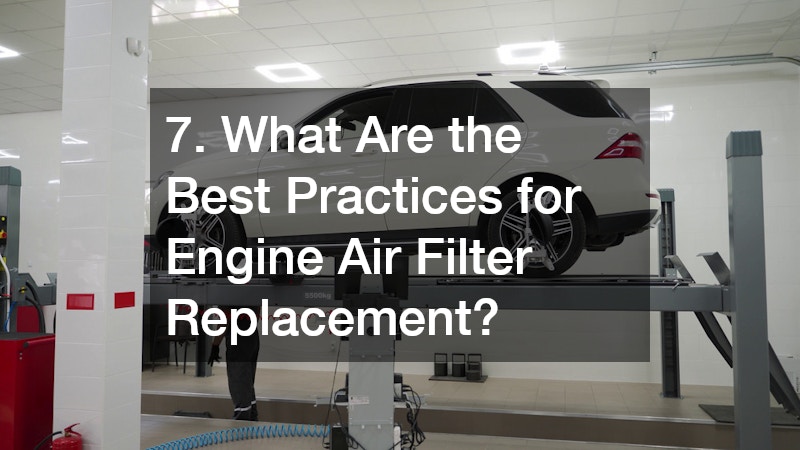
Replacing your engine air filter is essential to maintaining your vehicle’s performance and ensuring optimal fuel efficiency. Over time, air filters trap dirt and debris, which can obstruct airflow, reducing engine power and causing possible damage. Most vehicle manufacturers recommend replacing the air filter every 12,000 to 15,000 miles.
The benefits of a new air filter include improved acceleration, extended engine life, and protection from harmful particles. Implementing this simple change can save money in the long run by reducing the need for significant European auto repairs or engine work. Conduct regular checks to see if your filter is clean and functional.
When replacing the air filter, consider consulting your manual for the specific type suited to your car model. A reputable local car repair or auto detailing service can provide professional advice and replacement services if needed. Ensuring a clean air filter is one of the easiest steps towards effective engine maintenance.
8. How Can You Prevent Rust on Your Car?
Preventing rust is crucial to preserving your car’s aesthetic appeal and structural integrity. Exposure to elements like salt and humidity can corrode the metal, leading to rust and more extensive bodywork at an auto body shop. Regular cleaning and protective measures are key to preventing rust formation.
Consider investing in high-quality wax or sealants that create barriers against moisture and contaminants. Together with auto detailing services, these protective measures can ensure that your car remains rust-free. Keeping your car in a garage or protecting it with a car cover adds a layer of protection against the elements.
Regularly inspect areas prone to rust, such as wheel wells and the undercarriage, especially after specific weather conditions. Address rust spots promptly by cleaning and applying protective treatments to avoid extensive repairs. Routine maintenance like this prevents rust from spreading and preserves your car’s exterior.
9. Why Are Regular Wheel Alignments Important?
Regular wheel alignments ensure even tire wear and improve your car’s handling and stability. Over time, road conditions and driving habits can cause wheels to become misaligned, affecting steering precision. Proper alignment saves money on premature tire wear and reduces the need for frequent brake repairs.
Signs that your vehicle might need an alignment include drifting while driving straight or an off-center steering wheel. Ignoring these issues can lead to further damage to suspension components, leading to more costly repairs at a local car repair shop. Scheduled alignments ensure safety and performance enhancement.
Schedule an alignment regularly, especially after tire rotations or the installation of new tires. By ensuring proper alignment, you prolong the lifespan of suspension components, ensuring smoother rides and increased fuel efficiency. This practice is a cornerstone of an effective long-term auto maintenance strategy.
10. How Do You Maintain Your Car’s Exterior and Interior?
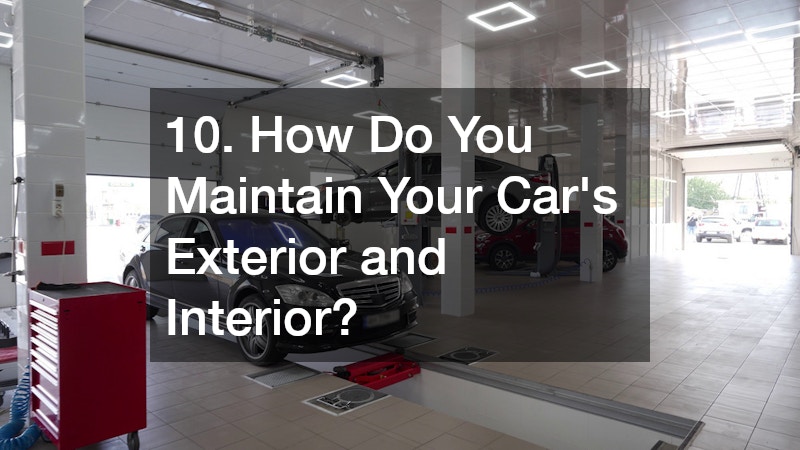
A comprehensive approach to maintaining your car’s exterior and interior not only enhances the car’s aesthetic value but also its resale value. Frequent washes and use of specialized products, such as auto tinting, protect the exterior paint from the elements. Detailing services manage both aesthetic and functional aspects by cleaning every component thoroughly.
For the interior, regular vacuuming and cleaning protect the upholstery from wear and tear, while regular checks of electronic and mechanical components ensure everything functions properly. Employ auto detailing services regularly to maintain cleanliness and orderliness both inside and outside your vehicle. Keeping the interior in top shape also helps avoid unnecessary wear-related repairs.
Maintaining the car’s interior and exterior also includes making necessary repairs promptly to avoid further damage. When dealing with significant damage, visit an auto body shop for professional repairs. Implementing regular checkups into your auto maintenance routine ensures your car remains in pristine condition for years to come.
Using These Auto Maintenance Tips
Adhering to these 10 auto maintenance tips can ensure your vehicle remains in excellent working condition, thus extending its lifespan and performance. Regular maintenance not only enhances safety but also helps preserve the car’s value over time. By incorporating these practices into your vehicle care routine, you reduce the need for frequent visits to a local car repair shop or for extensive European auto repair services. Whether it’s consistent brake repairs or protection against rust, a proactive approach to maintenance guarantees long-term rewards. Implementing these tips ensures your vehicle’s reliability, offers peace of mind, and ultimately contributes to a more enjoyable driving experience. Preventive care is the best way to protect your car investment and keep it running optimally on the road.