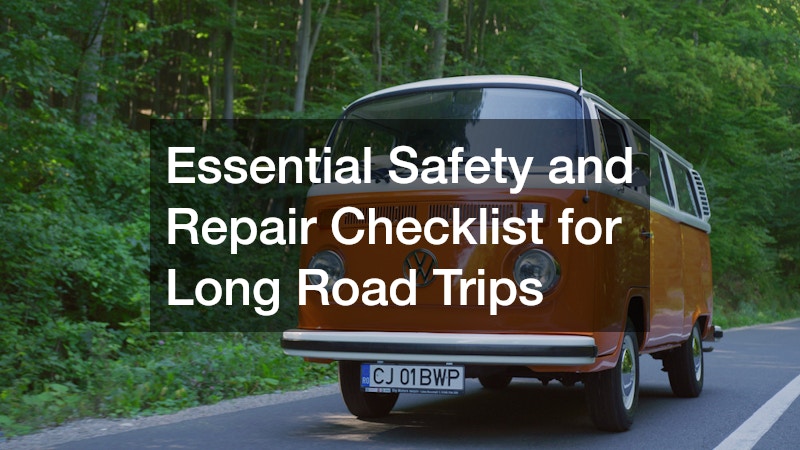
Taking a long road trip offers an unmatched sense of freedom, whether you are driving through winding mountain passes, coastal highways, or long stretches of interstate. However, that freedom relies entirely on the mechanical health of your vehicle and your readiness for unexpected challenges along the way. A major breakdown or an unexpected incident on an isolated highway can transform a memorable vacation into a stressful and expensive auto repair.
True road trip preparation extends far beyond packing a bag and setting a navigation route. It requires a systematic approach to vehicle maintenance, an understanding of specialized climate control systems, a strategy for protecting your vehicle’s exterior, and a clear plan for emergencies. By following a thorough safety and preparation checklist, you can ensure that your vehicle remains reliable, your passengers stay safe, and you are fully equipped to handle whatever the open road presents.
Pre-Trip Mechanical Safety and Fluid Inspections
The foundation of any successful long-distance trip is a mechanical inspection. Long hours at sustained highway speeds put significantly more strain on your engine, transmission, and braking systems than everyday city driving. Catching potential failures in your driveway or local shop is always safer and far less expensive than dealing with a sudden mechanical breakdown in an unfamiliar town.
Begin your inspection under the hood with a thorough check of all vital engine fluids. Engine oil provides essential lubrication and heat dissipation, so verify that it is at the proper level and inspect its condition. If the oil appears dark, gritty, or is near its service interval, perform a complete oil and filter change before departing. Check the engine coolant reservoir to ensure the liquid is clean and filled to the recommended line; a compromised cooling system can quickly cause severe overheating under heavy highway loads. Furthermore, examine the brake fluid, power steering fluid, and windshield washer fluid. Dark or burnt-smelling brake fluid indicates moisture contamination and reduced boiling thresholds, which can lead to dangerous brake fade during prolonged downhill driving.
Next, shift your attention to the braking and suspension components that keep your vehicle planted safely on the asphalt. Inspect the thickness of your brake pads through the wheel spokes, ensuring there is ample friction material remaining. Listen for any squeaking or grinding noises during test stops, and check the brake rotors for deep grooves or uneven wear patterns. Inspect your shocks and struts for signs of fluid leaks, which indicate worn dampeners that compromise high-speed stability and increase stopping distances.
Climate Control Systems for Road and Water Expeditions
Maintaining a comfortable interior climate is essential for driver alertness and passenger safety. Driving for hours in a cabin that is too hot or too cold increases fatigue, reduces reaction times, and makes the journey miserable for everyone on board. Preparing your HVAC system ensures smooth performance across varying weather conditions and geographical terrains.
Start your heating and air conditioning assessment by inspecting the cabin air filter. Located behind the glove compartment or under the cowl in most modern vehicles, this filter traps dust, pollen, and debris before it enters the interior ventilation channels. A clogged filter restricts airflow, strains the blower motor, and allows unpleasant odors to circulate. Replace it with a fresh unit to guarantee crisp, clean airflow throughout your trip. Additionally, turn on your air conditioning and test all temperature settings and fan speeds. If the system takes a long time to blow cold air, or if you notice a distinct hiss when the compressor engages, your system may have a refrigerant leak or a failing compressor clutch that needs immediate attention.
For travel itineraries that combine highway driving with aquatic recreation—such as towing a boat to a distant lake or coastal marina—climate control considerations extend beyond the primary tow vehicle. Marine air conditioning systems operate under unique environmental demands, utilizing raw water cooling circuits that can easily become clogged with algae, salt deposits, or marine growth. Performing specialized marine AC repair before setting off ensures that your vessel’s cabin cooling system functions properly the moment you launch, providing a comfortable environment after a long day on the open water.
Exterior Armor and Exterior Preservation

High-speed highway travel subjects your vehicle’s exterior to a continuous barrage of road debris, flying gravel, bug splatter, and harsh environmental elements. Over hundreds of miles, this constant exposure can chip paint, pit clear coats, and dull the finish of your vehicle. Protecting the exterior preserves your car’s aesthetic appeal and long-term resale value while making post-trip cleaning vastly easier.
Before embarking on your trip, perform a comprehensive exterior wash and paint decontamination. Removing surface grime, embedded brake dust, and tar creates a clean foundation for protective coatings. Applying a high-quality synthetic wax, ceramic spray, or paint sealant adds a hydrophobic barrier over the clear coat. This slick layer prevents highway grime, sticky tree sap, and acidic bug residue from bonding directly to the paint finish, making it much easier to rinse off at rest stops along the way.
For maximum defense against physical impacts from kicked-up rocks and gravel, consider investing in paint protection film applied to the most vulnerable forward-facing areas of your vehicle. This clear, durable polyurethane film acts as an invisible shield over the front bumper, leading edge of the hood, side mirror caps, and fender flares. The film absorbs the kinetic energy of small flying stones and road debris, preventing deep paint chips that can rust over time.
Heavy-Duty and Diesel Powertrain Readiness
Vehicles equipped with diesel engines offer outstanding towing capacity and fuel efficiency, making them a popular choice for long-distance road trips involving heavy cargo or large trailers. However, diesel powertrains operate under high compression ratios and complex emissions systems that require specific maintenance protocols before embarking on a long journey.
The fuel system is the heart of any diesel engine, demanding meticulous attention before working under heavy highway loads. Drain the water-fuel separator bowl to prevent moisture from entering the high-pressure fuel pump and precision fuel injectors. Replace both the primary and secondary fuel filters if they are near their service intervals, as microscopic contaminants can quickly cause pressure drops and engine misfires under load. Furthermore, check your Diesel Exhaust Fluid level at diesel shops and top off the reservoir with fresh fluid to avoid unexpected engine speed restrictions or limp-mode warnings while cruising.
Towing heavy trailers or climbing steep mountain passes puts immense thermal stress on heavy-duty powertrains. Monitor your engine oil temperatures, transmission fluid temperatures, and exhaust gas temperatures during long ascents. If your vehicle shows signs of excessive soot buildup, loss of boost pressure, or rough idling, seek out professional diesel engine repair before pushing further into remote areas. Specialized technicians can inspect turbocharger vanes, test exhaust gas recirculation valves, and verify charge air cooler integrity.
Emergency Equipment and Roadside Protocols
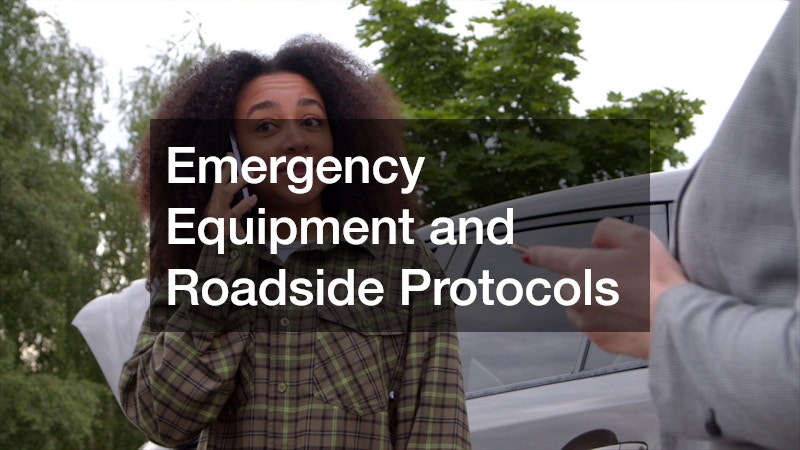
Even the most meticulously maintained vehicle can encounter unexpected hazards, such as a stray nail puncturing a tire or a flying stone cracking the windshield. Preparing a well-organized emergency kit and knowing proper safety protocols ensures that a minor road mishap does not turn into a dangerous situation.
Your trunk emergency kit should be easily accessible and contain tools and supplies tailored to long-distance travel. Assemble a durable bag containing essential gear designed to keep you safe, comfortable, and self-sufficient while waiting for help:
- A heavy-duty, portable lithium-ion jump starter pack capable of starting a dead battery without another vehicle
- A digital tire pressure gauge and a 12-volt portable air compressor
- A tire repair plug kit along with a heavy-duty scissor jack or bottle jack
- A set of reflective safety triangles and high-visibility LED road flares
- A well-stocked first aid kit containing bandages, antiseptics, burn cream, and basic medications
- High-lumen LED flashlights with extra batteries or USB charging cables
- Non-perishable energy bars, several gallons of drinking water, and thermal emergency blankets
If your vehicle suffers a tire blowout or mechanical failure while traveling on a busy highway, your immediate priority must be moving to a safe position. Signal early and carefully guide the vehicle onto the far right shoulder, ideally pulling as far off the travel lane as possible. If you are near an exit, try to coast off the highway entirely into a lighted parking lot or rest area. Turn on your hazard lights immediately to alert oncoming traffic. Call emergency roadside assistance when you need serious help.
Vehicle Recovery and Transport Strategies
When a roadside breakdown cannot be fixed on the spot with a quick tire change or jump start, safe vehicle transport becomes necessary. Knowing how vehicle recovery works and understanding transport options helps prevent secondary damage to your car during the recovery process.
Different vehicle drivetrains require specific towing methods to avoid severe mechanical damage. All-wheel-drive, four-wheel-drive, and low-clearance vehicles should always be transported on a flatbed tow truck where all four wheels rest securely on the flat platform. Towing an all-wheel-drive vehicle with two wheels rolling on the pavement can destroy center differentials and transfer cases within a few miles. Traditional hook-and-chain trucks should be avoided entirely for modern passenger cars, as they can bend suspension arms, ruin body bumpers, and damage exhaust components.
Before your vehicle is loaded onto a recovery bed, communicate key details about your car to the driver. Point out any aftermarket splitters, low ground clearance points, or custom tie-down locations. Verify that the operator uses wheel straps rather than wrapping metal chains directly around sensitive aluminum suspension control arms or light alloy wheels. Call towing companies when you need support.
Defensive Driving and Collision Mitigation
Beyond maintaining your mechanical hardware, your driving habits play a crucial role in ensuring a safe road trip. Driving extended miles through unfamiliar terrain, varying weather conditions, and heavy traffic requires heightened situational awareness and defensive driving techniques.
Fatigue is one of the most dangerous hazards during long-distance travel. Prolonged hours behind the wheel slow down reaction times and impair judgment just as severely as driving under the influence.
In addition to managing driver fatigue, practice space-management techniques on the highway. Maintain a minimum four-second following distance behind the vehicle ahead, increasing that gap significantly in rainy or foggy conditions. Be mindful of large commercial trucks; avoid lingering in their extensive blind spots along the sides and rear of the trailer. Pass commercial vehicles quickly and cleanly, returning to your lane only when you can see the truck’s headlights clearly in your rearview mirror.
If an unavoidable hazard leads to a collision, your primary focus must shift immediately to scene safety and evidence preservation. Move all uninjured passengers to a protected area off the roadway, well away from passing traffic. Call emergency services right away to report the incident and request medical assistance if anyone is hurt. While waiting for law enforcement to arrive, document the scene thoroughly by taking photographs of vehicle positions, property damage, skid marks, road conditions, and relevant street signs.
Legal Protections and Out-of-State Claims
Experiencing a major traffic accident while far away from home adds significant complexity to an already stressful situation. Handling vehicle repairs, medical treatment, rental cars, and insurance communications across state lines requires an organized approach and a clear understanding of your legal rights.
Insurance regulations, liability standards, and coverage limits vary considerably from state to state. Some states follow traditional fault-based systems where the driver who caused the collision is responsible for all resulting damages, while others operate under no-fault systems requiring your own insurance provider to cover initial medical expenses. When an accident occurs far from your home state, determining which laws apply to your claim can quickly become confusing, particularly when dealing with multiple insurance adjusters. This is why car accident lawyers come in handy.
Managing these out-of-state complexities often requires specialized legal guidance to protect your financial interests. Partnering with a skilled personal injury attorney helps ensure that all medical bills, lost wages, rehabilitation costs, and pain and suffering are properly documented and aggressively pursued. A qualified legal car accident attorney handles direct communications with resistant insurance companies, prevents you from making inadvertent statements that could compromise your claim, and works to secure fair compensation for your injuries.
Using This Checklist for Long Road Trips
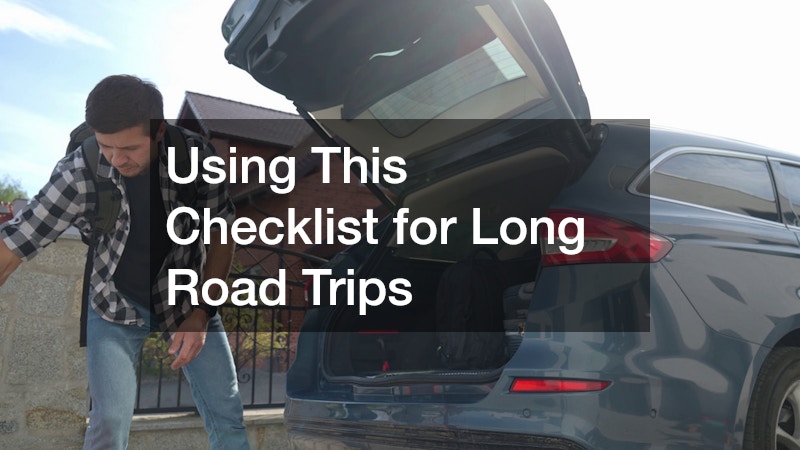
A successful long-distance road trip is built on thorough preparation, continuous vigilance, and practical contingency planning. By taking the time to inspect vital mechanical systems, prepare specialized equipment, shield your vehicle’s exterior, and pack a comprehensive emergency kit, you dramatically reduce the risks associated with highway travel.