Keeping your vehicle in peak condition is about more than just avoiding breakdowns—it’s about safety, efficiency, and long-term savings. Many drivers underestimate how routine maintenance affects overall performance, often leading to unexpected repairs and costly replacements. From the engine to the brakes, tires, and air conditioning, every component plays a vital role in ensuring your car runs smoothly and safely.
Regular attention to your vehicle helps prevent emergencies on the road, reduces fuel costs, and extends the lifespan of your investment. Yet, many car owners struggle with knowing what to inspect, when to schedule service, and which repairs can be safely handled at home versus by professionals.
This guide aims to demystify vehicle maintenance and provide practical, actionable strategies that any driver can implement. We’ll cover the essential systems, from braking and mechanical components to air conditioning and collision repairs, and explain how to make informed decisions about professional service. By following the tips in this article, you can build a proactive maintenance routine that keeps your car reliable, safe, and enjoyable to drive.
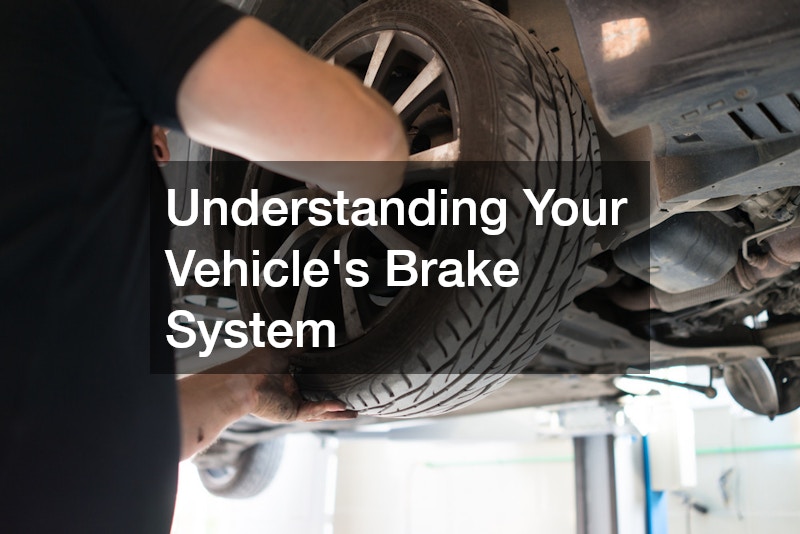
Understanding Your Vehicle’s Brake System
Your vehicle’s braking system is arguably the most critical safety component, yet it’s often overlooked until a problem arises. Brake pads, rotors, calipers, and fluid all work together to ensure smooth stopping power, and neglect can lead to costly damage or even accidents.
Signs you need brake attention:
-
Squealing, grinding, or clicking noises when applying the brakes.
-
Vibrations or pulsations through the brake pedal.
-
Longer stopping distances or a spongy brake pedal.
-
Dashboard warning lights related to brake or ABS systems.
Actionable tips for maintaining brakes:
-
Inspect Brake Pads Regularly: Most brake pads last between 25,000 and 70,000 miles. Check them every 6 months or during routine tire rotations.
-
Monitor Brake Fluid Levels: Low or old brake fluid reduces braking efficiency. Replace fluid every 2–3 years or per manufacturer guidelines.
-
Check Rotors and Calipers: Warped or damaged rotors can cause vibration, while caliper issues may lead to uneven braking. Address these promptly.
-
Professional Brake Repair: If you notice unusual noises or a drop in braking performance, schedule brake repair immediately to prevent further damage.
By being proactive with brake maintenance, you reduce the risk of accidents and extend the life of your braking components. Remember, minor issues like worn pads are easier and cheaper to fix than full-scale brake repairs caused by neglect.
Keeping Your Engine and Transmission in Top Shape
The engine and transmission are the heart and soul of your vehicle, and proper mechanical installation during repairs or upgrades is critical to their performance. Even small misalignments or substandard parts can lead to major issues down the road.
Tips for engine and transmission longevity:
-
Regular Oil Changes: Use manufacturer-recommended oil and replace it on schedule. Clean oil reduces friction, improves fuel efficiency, and prevents engine wear.
-
Inspect Belts and Hoses: Worn or cracked belts can lead to engine overheating, while damaged hoses may cause leaks and loss of fluid pressure.
-
Transmission Care: Check transmission fluid levels regularly, look for leaks, and address shifting issues promptly.
-
Certified Mechanical Installation: When replacing engine or transmission components, always use professional installation services to avoid improper alignment or damage.
Signs of potential mechanical problems:
-
Unusual engine noises, such as knocking or ticking.
-
Transmission slipping, delayed engagement, or unusual vibrations.
-
Warning lights on the dashboard indicating engine or transmission issues.
A well-maintained engine and transmission not only extend the life of your vehicle but also improve fuel efficiency and performance. Scheduling regular inspections and investing in professional mechanical installation when needed ensures your vehicle continues to operate safely and reliably.
Choosing the Right Auto Repair Shop for Your Needs
Finding a reliable auto repair shop can be overwhelming, but the right choice can save you money, time, and stress. Not all shops offer the same level of service, expertise, or customer support, so it’s important to know what to look for.
Tips for selecting the right repair shop:
-
Check Reviews and Ratings: Look for consistent positive feedback regarding quality of service and timeliness.
-
Verify Certifications: ASE (Automotive Service Excellence) certification and manufacturer certifications indicate a high level of training and knowledge.
-
Experience With Your Vehicle Make: Ensure the shop is familiar with your car’s brand and model for specialized repairs.
-
Warranty and Guarantees: Choose a shop that offers warranties on parts and labor to protect your investment.
Questions to ask your auto repair shop:
-
What is your experience with this type of repair?
-
Do you provide written estimates before starting work?
-
What parts do you use, OEM or aftermarket?
-
Can you provide references from previous customers?
Building a long-term relationship with a trusted auto repair shop can streamline maintenance, provide peace of mind, and ensure quality repairs whenever issues arise. Always prioritize transparency, expertise, and trust when making your choice.
Extending Your Vehicle’s Air Conditioning Life
A fully functioning air conditioning system is essential for comfort, especially during hot weather. Neglecting AC maintenance can lead to decreased efficiency, higher repair costs, or total system failure.
Tips for prolonging AC life:
-
Replace Cabin Air Filters: A clogged filter reduces airflow and can strain the AC system. Replace every 12,000–15,000 miles.
-
Check Refrigerant Levels: Low refrigerant can cause the system to overheat and fail. Recharge as necessary.
-
Clean Condenser and Evaporator Coils: Dirt and debris restrict airflow and reduce cooling efficiency. Clean during routine service.
-
Professional AC Repair: Address any unusual noises, odors, or weak airflow promptly to prevent major repairs.
Routine maintenance tasks:
-
Run the AC at least once a week, even in winter, to circulate refrigerant and prevent leaks.
-
Inspect belts and hoses connected to the AC compressor.
-
Look for signs of leaks or moisture accumulation inside the cabin.
Regular AC service ensures consistent cooling, improves air quality, and prevents emergency repairs. Incorporating AC checks into your auto service schedule keeps the system running efficiently and avoids costly breakdowns.
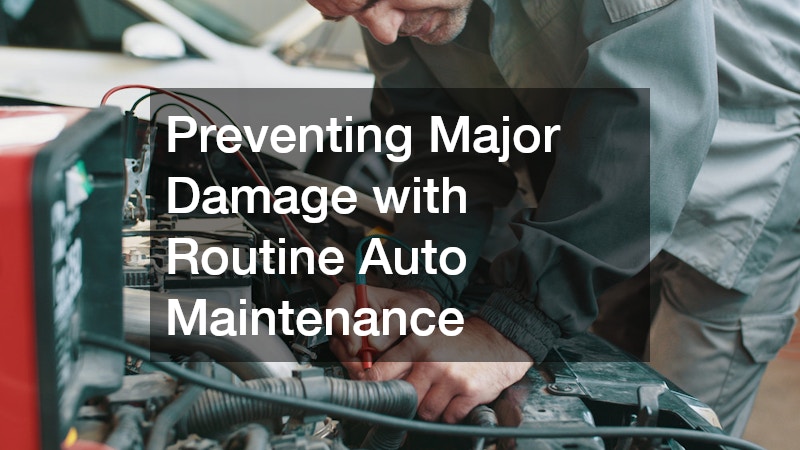
Preventing Major Damage with Routine Auto Maintenance
Routine maintenance is the most effective way to avoid major auto repairs. Regular inspections and preventive care help identify minor issues before they become costly problems.
Essential maintenance checklist:
-
Tire Rotations and Alignment: Rotate tires every 5,000–7,500 miles and check alignment to prevent uneven wear.
-
Fluid Checks: Monitor coolant, brake fluid, transmission fluid, and power steering fluid. Replace as recommended.
-
Battery Inspection: Check for corrosion, clean terminals, and test battery strength.
-
Filter Replacements: Air and fuel filters keep your engine running efficiently and prevent damage.
Benefits of timely auto repairs:
-
Lower overall repair costs.
-
Improved fuel efficiency and vehicle performance.
-
Increased safety for you and passengers.
-
Extended lifespan of critical components.
Ignoring small issues often leads to extensive repairs, such as engine overhauls or transmission replacement. By staying on top of routine auto repair, you protect your investment and reduce the likelihood of inconvenient breakdowns.
Handling Auto Collisions and Insurance Repairs
Accidents are stressful, but knowing how to handle them efficiently can minimize damage and ensure proper repairs. Prompt and professional auto collision repair is crucial for safety and maintaining your vehicle’s value.
Steps to take after a collision:
-
Document the Scene: Take photos of damages and gather information from other drivers.
-
Contact Insurance: Report the accident promptly and provide accurate details.
-
Choose a Certified Repair Shop: Ensure the shop specializes in collision repairs and is approved by your insurance company.
Tips for smooth collision repair:
-
Request a written estimate and timeline before work begins.
-
Verify that replacement parts meet OEM standards.
-
Inspect the vehicle thoroughly after repair to ensure all damages are addressed.
-
Ask about post-repair maintenance to prevent future issues.
Working with a trusted auto service provider ensures your vehicle is restored safely and professionally. Proper collision repair maintains structural integrity, performance, and resale value.
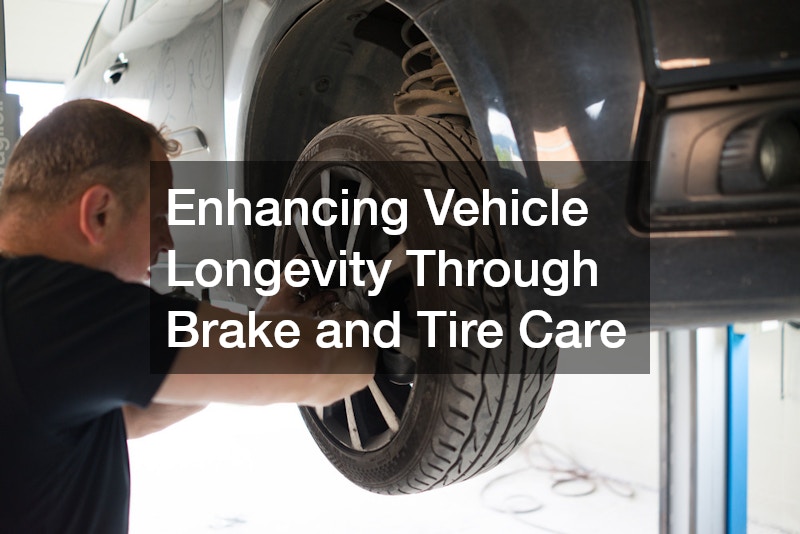
Enhancing Vehicle Longevity Through Brake and Tire Care
Brakes and tires are critical for safe driving and directly affect vehicle longevity. Proper maintenance not only improves safety but also reduces overall repair costs.
Practical tips for brake and tire maintenance:
-
Brake Inspections: Check pads and rotors regularly; replace worn components promptly.
-
Tire Pressure Monitoring: Maintain recommended tire pressure to prevent uneven wear and improve fuel efficiency.
-
Tire Rotation: Rotate tires every 5,000–7,500 miles to extend life.
-
Avoid Aggressive Driving: Hard braking and rapid acceleration increase wear on brakes and tires.
Additional considerations:
-
Align wheels periodically to prevent uneven tire wear.
-
Inspect tires for cuts, bulges, or foreign objects.
-
Keep brakes and tires clean to remove debris that could cause damage.
Routine attention to brakes and tires ensures safer driving and protects other components, such as suspension and steering systems, from excessive strain.
Emergency Preparedness: Towing and Roadside Assistance
Breakdowns and accidents can happen unexpectedly. Having a plan for towing and roadside assistance ensures safety and reduces stress during emergencies.
Tips for emergency preparedness:
-
Choose a Reliable Towing Service: Keep contact info for a certified towing company.
-
Emergency Vehicle Kit: Include jumper cables, reflective triangles, flashlight, basic tools, and a first aid kit.
-
Stay Safe While Waiting: Move to a safe location off the road, turn on hazard lights, and remain in the vehicle if necessary.
Additional advice:
-
Consider roadside assistance plans from your insurance or car manufacturer.
-
Keep your phone charged and maintain access to your towing service app if available.
Being prepared for emergencies helps protect you, your passengers, and your vehicle. Knowing how to respond efficiently can prevent further damage and ensure professional auto service when needed.
Upgrading and Maintaining Mechanical Components
Upgrading mechanical components can improve vehicle performance and longevity, but proper installation and maintenance are critical to avoid premature failures.
Common mechanical upgrades:
-
Suspension enhancements for better handling.
-
Exhaust upgrades to improve performance and fuel efficiency.
-
Engine tuning or turbocharging for increased power.
Tips for maintenance after upgrades:
-
Schedule routine inspections to ensure components are functioning correctly.
-
Avoid DIY installation for complex upgrades; professional mechanical installation ensures precision and safety.
-
Monitor for unusual noises or vibrations, which could indicate a problem.
Preventive care:
-
Replace worn parts promptly to prevent cascading failures.
-
Follow manufacturer guidelines for upgraded components.
-
Maintain detailed service records to track performance and repairs.
Proper care after mechanical upgrades ensures long-term benefits, improved driving experience, and reduces the risk of expensive repairs.
Building a Comprehensive Vehicle Maintenance Schedule
Creating a structured maintenance schedule keeps your vehicle running smoothly and prevents costly repairs. It also helps you track the health of every system.
Steps to create an effective schedule:
-
Monthly Checks: Tire pressure, lights, fluid levels, and battery health.
-
Quarterly Checks: Oil changes, air filter inspection, and brake pad evaluation.
-
Yearly Checks: Transmission fluid, coolant replacement, AC service, and full mechanical inspection.
Tips for tracking maintenance:
-
Use apps or digital logs to monitor service history.
-
Keep receipts and notes from auto repair shops.
-
Schedule service appointments proactively rather than reactively.
A detailed maintenance schedule allows you to identify issues early, maintain safety, and extend the life of your vehicle. Combining DIY checks with professional auto repairs ensures a well-rounded approach to vehicle care.
Full-service auto maintenance and repair is more than just fixing problems—it’s a proactive approach to keeping your vehicle safe, reliable, and efficient. By understanding your car’s systems, addressing minor issues promptly, and working with trusted professionals, you can avoid costly repairs and enjoy peace of mind on the road.
Routine inspections, preventive maintenance, and timely service not only extend the lifespan of your vehicle but also improve performance, fuel efficiency, and safety. Whether it’s the braking system, mechanical components, air conditioning, or handling collision repairs, every part plays a role in the overall health of your car.
Building a comprehensive maintenance schedule and keeping detailed service records allows you to take control of your vehicle care, ensuring problems are caught early and resolved efficiently. Combining DIY monitoring with professional service offers the best of both worlds: cost savings and expert guidance.
Investing time and effort in full-service auto maintenance protects your vehicle, your investment, and most importantly, the safety of everyone on the road. Start today by evaluating your vehicle’s needs, scheduling inspections, and creating a personalized maintenance plan that keeps your car performing at its best for years to come.