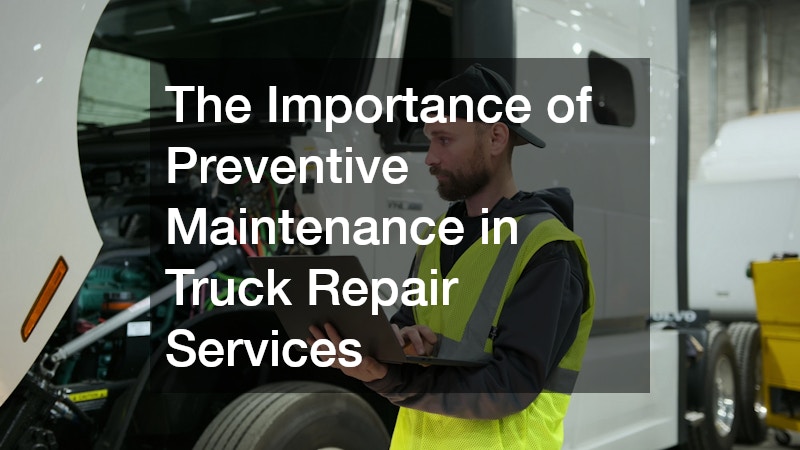
In the transportation industry, reliability is everything. Whether a vehicle is part of a small business fleet or an independent owner-operator’s livelihood, unexpected breakdowns can quickly disrupt schedules, strain budgets, and damage client relationships. While many operators focus on fixing issues after they arise, a preventive approach can significantly reduce long-term costs and operational risks. Preventive maintenance is not just about routine oil changes or inspections; it is a strategic investment that supports safety, performance, and profitability. Within the broader scope of truck repair services, preventive maintenance plays a central role in keeping vehicles on the road and businesses moving forward.
Reducing Costly Breakdowns
One of the most compelling reasons to prioritize preventive maintenance is the financial impact of unplanned breakdowns. When a truck experiences a major mechanical failure, the costs go far beyond parts and labor.
Towing fees, emergency repairs, missed delivery deadlines, and potential penalties can quickly add up. In some cases, a single breakdown can cost thousands of dollars and lead to long-term customer dissatisfaction.
Routine inspections and scheduled servicing help identify worn components before they fail. For example, replacing brake pads before they are completely worn down prevents damage to rotors and other related systems. Monitoring fluid levels and changing filters on time reduces engine strain and improves fuel efficiency. These smaller, planned expenses are far more manageable than large, unexpected repair bills.
Preventive maintenance also allows businesses to plan downtime strategically. Instead of reacting to emergencies, fleet managers can schedule service appointments during off-peak periods. This proactive approach minimizes disruptions and ensures vehicles remain available when they are needed most.
Improving Safety And Compliance
Safety is a non-negotiable priority in commercial transportation. A poorly maintained truck can pose serious risks to drivers, other motorists, and cargo. Brake failures, tire blowouts, steering issues, and lighting malfunctions are just a few examples of problems that can result from neglected maintenance.
Regular inspections help ensure that critical systems are functioning properly. Checking tire tread depth and pressure reduces the risk of blowouts. Inspecting brake systems ensures reliable stopping power. Verifying that lights and signals are operational improves visibility and communication on the road.
Beyond safety, compliance with federal and state regulations is essential. Commercial vehicles are subject to strict inspection standards and documentation requirements. Preventive maintenance supports compliance by keeping vehicles in roadworthy condition and maintaining accurate service records. Working with professional truck repair services helps ensure that inspections are thorough and aligned with regulatory guidelines, reducing the risk of fines or out-of-service violations.
Extending Vehicle Lifespan
Trucks represent a significant capital investment. Maximizing the lifespan of each vehicle is critical for protecting that investment and improving overall return on assets. Preventive maintenance directly contributes to longevity by reducing wear and tear on key components.
Engines, transmissions, and suspension systems all benefit from consistent care. Clean oil reduces internal friction and heat buildup. Properly maintained cooling systems prevent overheating. Timely alignment and suspension checks reduce uneven tire wear and improve handling. Over time, these measures add up to fewer major overhauls and longer service life.
In addition, well-maintained vehicles often retain higher resale value. When it comes time to upgrade or sell, documented maintenance records demonstrate responsible ownership and can justify a higher asking price. Preventive maintenance is not just about avoiding problems; it is about preserving the long-term value of the asset.
Supporting Operational Efficiency
Efficiency is a key driver of profitability in the trucking industry. Fuel costs, delivery timelines, and vehicle availability all influence the bottom line. Preventive maintenance supports operational efficiency in several ways.
First, properly maintained engines and drivetrains operate more efficiently, often resulting in improved fuel economy. Clean air filters, correct tire pressure, and optimized engine performance can collectively reduce fuel consumption. Even small percentage improvements can translate into significant savings over time, especially for fleets that log high mileage.
Second, consistent maintenance reduces the likelihood of extended downtime. When vehicles spend less time in emergency repairs, they spend more time generating revenue. Partnering with experienced truck repair services allows businesses to establish structured maintenance schedules tailored to vehicle usage patterns and manufacturer recommendations.
Finally, preventive maintenance enhances driver confidence. Operators who know their vehicles are regularly inspected and serviced are less likely to experience stress related to potential mechanical failures. This confidence can improve overall job satisfaction and performance, contributing to smoother operations across the board.
Preventive maintenance is not an optional extra; it is a foundational component of responsible fleet management. By reducing costly breakdowns, improving safety and compliance, extending vehicle lifespan, and supporting operational efficiency, preventive strategies deliver measurable benefits. Rather than waiting for problems to surface, businesses that adopt a proactive approach position themselves for greater reliability and long-term success.
In the context of truck repair services, preventive maintenance transforms repairs from reactive responses into planned, strategic actions. This shift in mindset helps protect investments, strengthen client relationships, and create a more stable and profitable transportation operation.