
The automotive and watercraft industries are constantly evolving, with new trends emerging every year. These changes are driven by technological advancements, shifting consumer preferences, and regulatory factors that shape how vehicles and watercrafts are used and maintained. By exploring these 10 key trends, we gain insight into the future direction of automotives and watercrafts. These trends reveal the industry’s response to environmental concerns, innovations in service delivery, and the ever-present demand for efficiency and reliability.
Understanding these trends is crucial for staying competitive in the market, whether you’re a consumer, a business owner, or an industry professional. As the landscape of transport and recreation is being reshaped by these developments, it becomes imperative for stakeholders to adapt strategically. With a detailed exploration of each trend, this article aims to equip readers with the knowledge necessary for navigating and capitalizing on the emerging opportunities within the auto and watercraft sectors.
The following sections provide a thorough examination of the latest movements across the automotive and watercraft spectrums, presenting a comprehensive overview of where these industries are heading. From advancements in repair technology to shifts in the consumer buying process, the insights shared here reflect a dynamic and innovative period in transportation history.
1. What are the latest trends in auto repair technology?
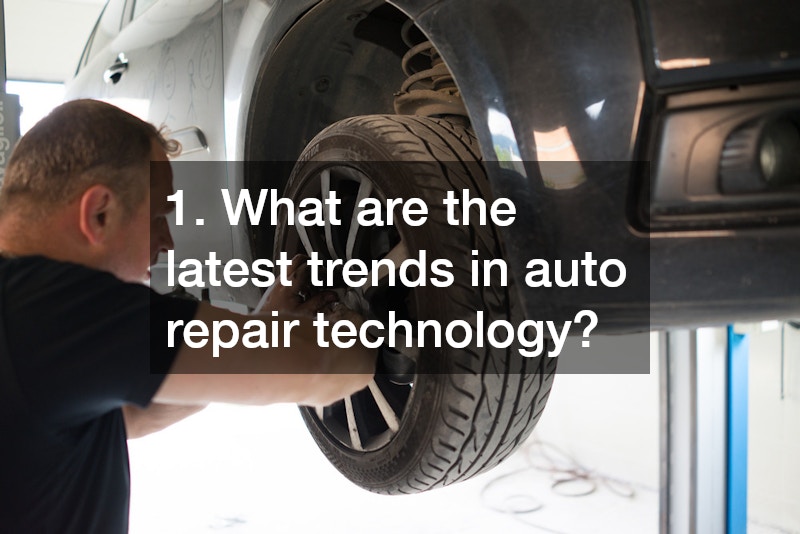
Auto repair technology is advancing rapidly with the integration of artificial intelligence and machine learning, streamlining diagnostics and maintenance procedures. Increasingly sophisticated software is now capable of detecting issues even before they manifest as problems for car owners. This predictive maintenance approach helps in reducing unforeseen breakdowns and extends the lifespan of vehicles.
Moreover, the rise of mobile repair services, enabled by new technologies, is transforming the way consumers approach car maintenance. These services, empowered by tools that link to a vehicle’s systems via the internet, allow technicians to perform certain diagnostics remotely. The convenience and efficiency offered by these services are rapidly gaining popularity among busy consumers.
Additionally, 3D printing technology is making waves in the auto repair industry by enabling the swift production of complex parts on-demand. This reduces the waiting time for parts procurement and contributes to faster repair turnaround times. This technological advancement is particularly beneficial for older vehicles where spare parts may be scarce or discontinued.
2. How is the auto inspection process changing?
The traditional method of auto inspection is undergoing a digital transformation spurred by technological innovations. Electronic inspection systems, which automate the process, are being increasingly adopted due to their accuracy and efficiency. These systems can quickly assess a vehicle’s condition through sensors and cameras, ensuring comprehensive inspections without the risk of human error.
Alongside electronic systems, remote inspection services are evolving, allowing for cars to be checked without the owner needing to be physically present. Using mobile apps and real-time video streaming, inspectors can guide car owners through parts of the inspection process from afar. This flexibility is particularly appealing to tech-savvy consumers seeking convenience and transparency.
Environmentally conscious regulations are another driving force behind the evolution of auto inspections. Stringent emissions testing is now a standard part of inspections, ensuring vehicles meet environmental standards. As emission control technologies become more advanced, we can expect further shifts in the inspection process to accommodate these new requirements.
3. What new technologies are improving truck repairs?
In the realm of truck repairs, new technologies are making significant strides in reducing downtime and enhancing efficiency. Advanced diagnostic tools integrated with telematics provide real-time data on truck performance, allowing service professionals to identify and address potential issues promptly. By leveraging this data, truck repairs can be conducted proactively, thus preventing unexpected breakdowns.
Augmented reality (AR) is another technology revolutionizing how repairs are conducted in the trucking industry. AR solutions offer mechanics the ability to overlay images and information onto physical subjects, providing precise guidance for complex repair procedures. This leads to faster repairs and reduces the chances of errors during manual processes.
The availability of modular components for trucks is also simplifying the repair process significantly. These components are designed for easy replacement, meaning that individual parts can be swapped out quickly without the need to dismantle more of the vehicle than necessary. This not only speeds up repairs but also helps reduce labor costs and vehicle downtime.
4. How are cars for cash services evolving?

‘Cars for cash services are experiencing significant transformation, primarily through online platforms that make the selling process swift and convenient. The surge of these platforms has brought about more competitive offers for consumers looking to sell their vehicles, alongside faster transactions. The streamlined digital process caters well to the modern consumer who values quick and easy solutions.
Consequently, these services are also implementing improved valuation algorithms that ensure fair pricing based on real-time market conditions. By analyzing a wide array of data points, these systems can provide sellers with competitive offers instantly, enhancing overall customer satisfaction. Trust in such services is further bolstered by transparent transaction processes clearly communicated to sellers.
Another trend in the evolution of ‘cars for cash’ services is the inclusion of car removal as a complementary service. Many platforms now offer to pick up the vehicle directly from the seller’s location, adding to the convenience. This customer-centric approach simplifies the overall selling process, making this sector more appealing to a broader audience.
5. What are the recent developments in Volvo car repair?
Volvo car repair services are becoming increasingly sophisticated, with a focus on integrating advanced diagnostic and repair technologies. Volvo has been at the forefront of using telematics for real-time monitoring and diagnosing potential issues in vehicles. This proactive approach not only ensures vehicle reliability but also contributes to enhancing consumer trust in the brand.
Volvo’s commitment to sustainability is also influencing its repair strategies. The introduction of eco-friendly parts and methods in maintenance procedures reflects the brand’s dedication to reducing its environmental impact. This approach aligns with the growing consumer demand for sustainable automotive practices and reinforces Volvo’s brand values.
Furthermore, Volvo repair centers are increasingly offering personalized service experiences. Utilizing data from previous repairs and customer interactions facilitates tailored maintenance plans aimed at optimizing vehicle performance. This customer-focused strategy strengthens relationships and elevates the overall service experience for Volvo owners.
6. How is the towing industry adapting to modern challenges?
The towing industry is adapting to modern challenges through technological innovation aimed at improving efficiency and customer service. Digital platforms that allow customers to request towing services with quick response times are now standard among leading companies. These platforms often incorporate GPS for precise location services, ensuring timely assistance.
Electric and hybrid towing vehicles are also being integrated into fleets to align with evolving environmental standards and reduce operational costs. These vehicles offer lower emissions and fuel savings, reflecting the industry’s commitment to sustainability. Such shifts not only reduce the carbon footprint but also appeal to eco-conscious consumers.
Additionally, advancements in automated dispatch systems have streamlined operations for towing companies. Automating the allocation of tow trucks enhances resource management and improves service reliability. This efficiency allows companies to serve a broader customer base while maintaining high standards of service delivery.
7. What is the future of diesel engines?
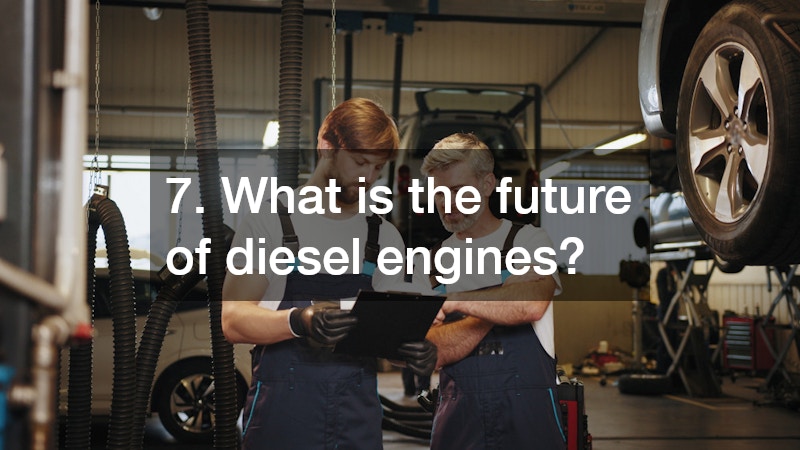
The future of diesel engines is being shaped by regulatory pressures and environmental considerations, driving manufacturers to innovate cleaner and more efficient technologies. Stringent emission standards are pushing the development of advanced diesel engines that emit lower levels of pollutants. These advancements are critical for the continued viability of diesel-powered vehicles in certain applications.
Hybrid technology is also increasingly used in conjunction with diesel engines, offering improved fuel efficiency and reduced emissions. This integration is particularly viable for commercial transport sectors, where durability and range are paramount. Diesel hybrids are presenting a solution that balances performance with ecological responsibility.
Moreover, research and development into alternative fuels compatible with diesel engines is gaining traction. Biodiesel and synthetic fuels present opportunities to further decrease the environmental impact of diesel engines. The adaptation of these technologies is vital for the prolonged relevance of diesel powertrains amid the automotive industry’s greener shift.
8. How has bankruptcy affected the auto industry?
Bankruptcy has a profound impact on the auto industry by catalyzing restructuring and innovation amid financial adversity. Companies facing bankruptcy are often compelled to reassess business operations critically, leading to streamlined processes and more efficient management. In many cases, these challenges prompt a reevaluation of product lines and a focus on core competencies.
Furthermore, bankruptcy can drive mergers and acquisitions, reshaping competitive landscapes within the industry. Such consolidations often lead to increased efficiency and shared technology development, benefiting consumers through improved products and services. The financial restructuring process also often leads to improved operational transparency and corporate governance.
For employees and communities, bankruptcy can have mixed consequences, including job losses, but also new opportunities through company revitalization strategies. The auto industry’s experience with bankruptcy highlights resilience and adaptability as key factors in long-term success. These challenges prompt significant innovation as companies seek sustainable and profitable futures.
9. What are the evolving roles of boat dealers?
Boat dealers today are diversifying their roles to adapt to new market dynamics and consumer expectations. They’re increasingly adopting digital platforms to enhance the buying experience, providing virtual tours and online customer consultations. This shift helps bridge the gap for consumers unable or unwilling to visit showrooms in person.
In addition to sales, many boat dealers are expanding their service offerings to include maintenance and educational programs, fostering deeper customer relationships. These services are designed to enhance the ownership experience and ensure customer satisfaction. Such strategies also present opportunities for ongoing revenue streams beyond the initial sale.
Moreover, boat dealers are aligning with eco-friendly initiatives by promoting sustainable boating practices and environmentally friendly products. As environmental consciousness among consumers grows, dealers who serve as advocates for sustainability stand to gain a competitive edge. This evolution underscores the importance of adaptability and forward-thinking in the boating industry.
10. How is yacht stability technology advancing?

Yacht stability technology is progressing rapidly, with innovations enhancing comfort and safety for passengers. Gyrostabilizers are among the leading advancements, providing efficient solutions to minimize roll by using angular momentum. These systems have become more compact and effective, broadening their application in a variety of yacht sizes.
Dynamic positioning systems (DPS) represent another significant development, utilizing satellite and sensor data to maintain a yacht’s position autonomously. By negating the effects of wind, waves, and currents, DPS enhances operational freedom and safety for crews and passengers alike. This technology continues to evolve, improving precision and reliability in challenging marine conditions.
Improvements in hull design and materials are also critical to yacht stability, offering better performance and reduced fuel consumption. Innovations such as lighter, more durable materials and optimized hull shapes are key to building yachts that are both environmentally friendly and stable in open sea conditions. These advancements reflect the ongoing commitment to enhancing yachting experiences through cutting-edge technology.
Keeping an Eye on These Trends
The trends discussed in this article highlight significant changes in the auto and watercraft industries. By keeping an eye on these developments, consumers and businesses alike can better navigate the changing landscape and anticipate future opportunities. These trends are not only a reflection of current demands and advancements but also a glimpse into the potential future of transportation and recreation on both land and water.
As technology continues to advance, both industries stand on the brink of a transformation that promises to redefine user experiences and operational efficiencies. Consumers will benefit from enhanced services and products, driven by competition and innovation, while businesses must stay agile to leverage these trends effectively. By aligning with the key directions identified, stakeholders throughout the industry can ensure they are well-prepared for the exciting developments ahead.
The insights provided through understanding these trends foster strategic planning and informed decision-making, essential elements for success in dynamic markets. As industries evolve, the ability to adapt, innovate, and lead will determine the frontrunners in both automotive and watercraft domains. The future promises to be one of enhanced capabilities and opportunities, paving the way for sustained growth and prosperity.